

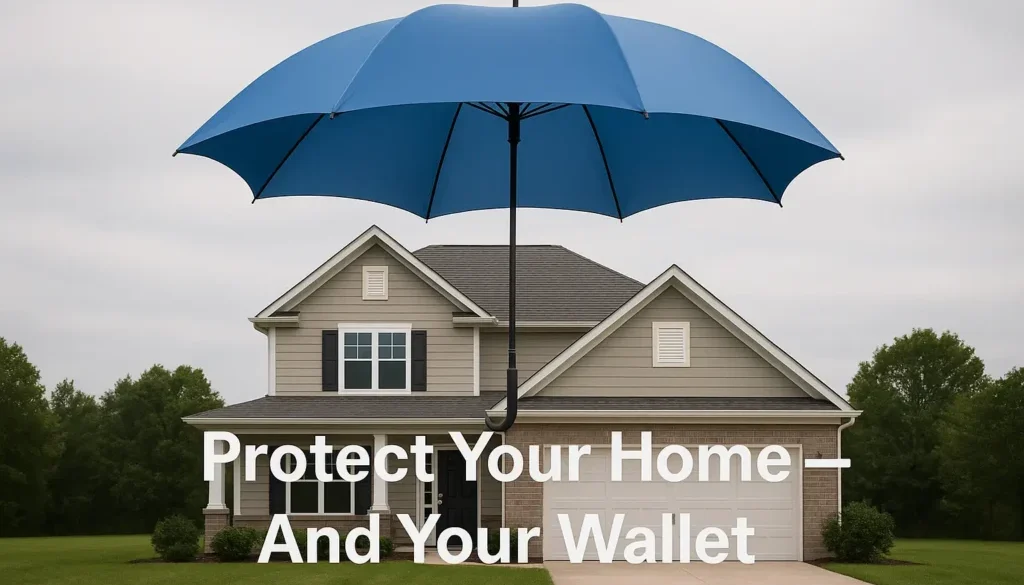
Homeowners Insurance Explained: Why You Need It and How It Protects You
Thinking of buying a home — or already own one? Here’s why homeowners insurance isn’t optional, it’s mortgage-insurance-level smart.
What is homeowners insurance — in plain English
Homeowners insurance is a bundle that protects your house, your stuff inside it, and your financial backside if something goes wrong. It covers damage to your home, personal property, liability if someone gets hurt on your property (or you accidentally hurt someone else’s property), and sometimes extra living costs if you can’t stay in your home after damage.
Most lenders will require it if you have a mortgage — which makes sense: they want their collateral protected.
What does a typical policy cover:
- Structure: If a covered event — like a fire or storm — damages your house, the policy helps with repair or rebuilding
- Personal belongings: Furniture, electronics, clothes — many of your home’s contents are protected (subject to limits, depreciation or replacement-cost terms).
- Liability protection: If someone gets hurt on your property (or you damage someone else’s property), homeowners insurance often helps cover legal or medical costs. Even pets can be covered under this.
- Loss of use / additional living expenses: If your house becomes uninhabitable after a covered loss, some policies help pay for temporary housing, hotel stays, meals, etc.

Different Levels of Coverage — What You Choose Determines What You Get
Not all homeowners policies protect you the same way. The type of coverage you select is the difference between “That wasn’t fun, but we’re okay” and “Why am I now Googling bankruptcy attorneys?” Here’s the breakdown:
1. Actual Cash Value (ACV)
This is the bargain-basement option — cheap upfront, expensive when you actually need it.
ACV pays you the depreciated value of your home or belongings at the time of loss.
That means:
- Your 10-year-old roof? Paid out as a 10-year-old roof, not the cost to install a new one.
- That $2,000 sofa? If it’s now worth $300 on paper, that’s what you get.
ACV can make sense for investors or people with minimal personal belongings to replace, but most homeowners find it painfully insufficient after a major claim.
2. Replacement Cost (RC)
Replacement cost coverage reimburses the current cost to repair or replace what was damaged — without subtracting depreciation.
- If building materials jump in price (which… has happened more than once), RC keeps you whole.
- Belongings are replaced with new versions of similar kind and quality, not yard-sale equivalents.
This is the most common and balanced level of coverage for typical homeowners. It’s more expensive than ACV, but the protection gap is worth every dollar.
3. Extended or Guaranteed Replacement Cost
This is the top-tier, peace-of-mind option.
Extended/Guaranteed RC goes beyond your policy limit and covers the full cost to rebuild your home, even if the price skyrockets due to:
- Labor or material shortages
- Sudden inflation
- Building code upgrades required by local authorities
- Reconstruction cost overruns after catastrophes (like regional fires or hurricanes)
Some policies offer 10–50% extended coverage above the base limit; others fully guarantee replacement no matter the final bill. If your home is custom-built, older, or located in an area where construction costs jump quickly, this coverage can prevent financial disaster.
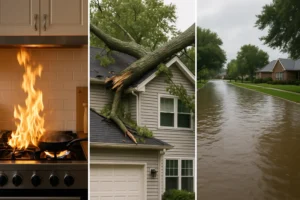
Common Disasters and Events Typically Covered
(Exact coverage depends on the policy, but these are the usual suspects.)
- Fire and smoke damage
- Windstorms and hail
- Lightning strikes
- Theft and burglary
- Vandalism
- Explosions
- Falling objects (like tree limbs)
- Weight of ice, snow, or sleet
- Water damage from sudden, internal events — burst pipes, accidental overflows
- Damage caused by vehicles or aircraft
- Damage resulting from civil disturbances or riots
These are the core “named perils” in most standard HO-3 homeowners policies.
Disasters and Incidents Often Not Covered (or Only Partially Covered)
These are the traps homeowners don’t discover until it’s too late.
- Flooding from external water sources (rising rivers, storm surge, heavy rainfall accumulation — requires NFIP or private flood insurance)
- Earthquakes, sinkholes, and earth movement (usually require separate coverage)
- Mold, rot, or gradual water seepage
- Termites, rodents, and pest infestations
- Normal wear and tear or poor maintenance
- Sewer or sump pump backup (coverage available only if you add a rider)
- Power failure originating off the property
- Damage due to negligence (e.g., ignoring a known leak for months)
- Intentional damage by the homeowner
- High-value personal property losses above standard limits (jewelry, art, watches, collectibles — require scheduling or a rider)

What Happens If Someone Gets Hurt on Your Property (or Your Pet Alligator Gets a Little Too Friendly)
Liability coverage is one of the most underrated parts of homeowners insurance — until you need it. If a guest slips on your icy walkway, trips on a loose step, or gets injured in your home, your policy can help cover their medical bills and your legal costs if they decide to sue. The same applies if you accidentally cause damage to someone else’s property or if your dog bites a visitor or a neighbor. Most policies include personal liability and medical payments coverage, but limits vary widely. If you have pets, a pool, frequent guests, or higher net worth, consider increasing your liability limits or adding an umbrella policy. It’s inexpensive protection that shields you from the kinds of accidents that can create big, unexpected financial fallout.
What If Personal Items Are Stolen From Your Car?
Here’s a surprise most people don’t learn until after a break-in: if someone smashes your car window and steals your laptop, purse, tools, or other personal items, your auto insurance usually won’t cover those belongings. Your homeowners (or renters) insurance typically steps in — even though the theft happened outside your home. The catch? It’s subject to your home policy’s deductible and coverage limits. Your auto policy may help pay for the broken window or vehicle damage, but the stolen items themselves fall under your home policy. If you routinely carry expensive tools, electronics, or business equipment in your car, consider higher personal property limits, scheduling those items separately, or adding a rider so a single smash-and-grab doesn’t become a financial gut punch.
How to Keep Track of Your Belongings (and Why It Matters)
When something goes wrong, documenting what you own can make the difference between a smooth claim and a nightmare. Create a simple home inventory: walk through each room with your phone and record videos or photos of furniture, electronics, appliances, and valuables. Save receipts, serial numbers, and purchase dates in a digital folder or cloud drive. This gives the insurer proof of what you owned and helps you estimate the right level of coverage. And remember, high-value items — jewelry, fine art, collectibles, antiques, watches — often have limited coverage under a standard policy. If you own anything that would break your heart or your budget to replace, talk to your carrier about scheduling those items separately or adding a rider to fully insure them.
What Determines the Cost of Homeowners Insurance?
Homeowners insurance premiums aren’t random — they’re built on risk. The age and condition of your home, its location, construction type, roof age, proximity to fire stations, and local weather patterns all influence the price. Higher replacement-cost values, pools, trampolines, and certain dog breeds can also push premiums higher. Your deductible matters, too: higher deductibles usually mean lower monthly payments. Claims history — both yours and the property’s — can raise costs because insurers price forward-looking risk, not just past events. And in many states, your credit profile also affects your rate. One more reality check: insurance costs typically rise each year as labor, materials, and claim costs increase. The key is understanding what you’re paying for — not a mysterious bill, but a customized protection plan built around the real risks of your home and lifestyle.
How to Choose the Right Insurance Company
Premium cost matters, but it shouldn’t be the only filter. When you’re insuring a six- or seven-figure asset, you want a carrier that will show up when something goes wrong. Start with financial strength — companies rated A or better by AM Best and Demotech are generally more reliable in paying large claims. Look at customer service ratings and claims-response reputations; the cheapest premium is worthless if the company disappears when you need help. Review policy flexibility, available riders, and whether they offer guaranteed or extended replacement coverage. And lastly, check how they handle claims: fast payouts, transparent adjusters, and real support matter far more than saving $14 a month. Pick a company that will be a partner, not a problem, when disaster strikes.
Bottom Line — Why This Matters
Owning a home is likely the biggest investment you’ll make. Without insurance, one fire, major leak or accident could wipe out years of value — everything you own, and maybe more if someone gets hurt on your property.
With a smart homeowners insurance policy, you get a safety net: protection for your property, your stuff, and your wallet. Especially if you have a mortgage, insurance isn’t a “nice to have” — it’s a must.
Feel free to reach out to me at 312-296-4175 or email me at connect@borislending.com. I’m here to help you navigate the process and make the right decisions. I lend in all 50 states and I am never too busy for your referrals!!

I have been in the mortgage industry since 1997 and I understand the anxiety that comes with making the most expensive investment of a lifetime. My objective is to be your advisor, to educate you and to make the mortgage loan transaction as transparent and as stress-free as possible. I enjoy establishing personal connections and work mostly by referral. I thoroughly explain the process and available options, and guide my clients to make choices that best fit their needs and financial goals. Once the underwriting begins I communicate regularly and keep my clients apprised of the loan status from the beginning through the end. My relationship with clients does not end at the closing table. You are my client for life and I am always available to answer your questions and provide you with guidance.